
Your Guide to Effective Seasonal Garden Care in Ontario: A Year-Round Strategy for Plant Health
- Steve Prins
- Oct 15, 2025
- 7 min read

You've invested time, effort, and hope into your garden. You picture lush flower beds, strong trees, and healthy shrubs framing your home. But translating that vision into reality can feel like a constant battle against the seasons. You find yourself wondering: "Am I pruning at the right time? Is this the right fertilizer? Why do my neighbour's plants look vibrant while mine are struggling?"
This uncertainty is common. Many homeowners in Dufferin and Peel find themselves piecing together advice from blogs, hardware store pamphlets, and well-meaning friends. The problem is, this fragmented approach often misses the bigger picture - the underlying science of why and when plants need specific care.
This guide from Shady Oaks Landscaping is different. We’re moving beyond simple tips to give you a comprehensive, year-round strategy rooted in plant science and tailored for our unique Ontario climate. We’ll equip you with the framework to make confident decisions, transforming your garden from a source of anxiety into a thriving outdoor sanctuary. With over 25 years of experience creating and maintaining beautiful landscapes in this very region, we understand what it takes to succeed.
The 'Why': Understanding Your Garden's Natural Rhythm
Before we dive into specific tasks, it's crucial to understand what's happening beneath the surface. A healthy garden works in cycles, and aligning our care with these natural rhythms is the secret to success.
Plants, like all living things, have a primary goal: to gather energy. In spring and summer, they are in full growth mode, using sunlight to produce food (photosynthesis) for leaves, flowers, and stems. As fall approaches, their focus shifts from outward growth to energy storage. They pull nutrients down into their root systems to survive the dormant winter months and fuel the explosive growth of the following spring.
Ignoring this cycle is the most common mistake we see. Fertilizing heavily in late summer, for example, can encourage weak, new growth that will be damaged by the first frost, wasting the plant's precious energy reserves. Understanding this fundamental principle is the first step toward working with your garden, not against it.
The 'When': A Seasonal Calendar for Dufferin & Peel Gardens
Timing is everything. Here is a strategic breakdown of essential tasks for our specific climate, ensuring you provide the right care at the right time.
Spring (March - May)
As the ground thaws, your garden is waking up and it's hungry. This is the time for cleanup and providing the initial fuel for the growing season.
Cleanup & Inspection: Rake away fallen leaves and winter debris to improve air circulation and prevent fungal diseases. Inspect your trees and shrubs for any winter damage, like broken branches.
Pruning for Health: This is the ideal time to prune most deciduous trees and shrubs before they leaf out. Remove any dead, damaged, or crossing branches to improve the plant's structure and direct energy toward healthy growth.
Early Fertilization: Apply a slow-release, balanced fertilizer to your garden beds and around trees as new growth appears. This provides a steady supply of nutrients for the demanding season ahead.
Summer (June - August)
Growth is at its peak, but so are challenges like heat stress, pests, and disease. The goal is to maintain health and vitality.
Water Wisely: Water deeply and less frequently to encourage deep root growth, making plants more resilient to drought. Early morning is the best time to water to minimize evaporation.
Pest & Disease Scouting: Regularly inspect your plants for signs of trouble. Early detection is key. Look for things like yellowing leaves, spots, or visible insects. The growing interest in eco-friendly methods means focusing on solutions like introducing beneficial insects before reaching for chemicals.
Pruning for Shape: Perform light pruning on flowering shrubs right after they finish blooming to control their size and shape without sacrificing next year's flowers.
Fall (September - November)
This is perhaps the most misunderstood - and most crucial - season in garden care. While top growth is slowing, the activity below ground is ramping up.
Strategic Fertilization: As plants begin to go dormant, their roots are still actively absorbing nutrients to store for winter. Applying a fertilizer lower in nitrogen and higher in phosphorus and potassium in early fall helps strengthen the root system, leading to more vigorous growth and better blooms next spring.
Final Pruning: Make final pruning cuts on hardy trees and shrubs after they’ve dropped their leaves. Avoid heavy pruning on evergreens and delicate plants, which are best left until spring.
Winter Preparation: Apply a layer of mulch around the base of tender plants and shrubs to insulate the roots from harsh temperature swings. For exceptionally delicate plants, consider burlap wraps.
The 'How': Advanced Techniques for Optimal Plant Health
Knowing when is half the battle; knowing how ensures your efforts pay off. Let’s move beyond the basics into professional-grade techniques.
Mastering Fertilization: The '4Rs' Framework
The experts at Clemson University Extension promote a simple, effective framework called the "4Rs of proper fertilization." Adopting this mindset eliminates guesswork.
Right Kind: Not all fertilizers are created equal. A soil test is the best way to know what your garden needs, but a good general rule is to use a balanced, slow-release granular fertilizer for overall health. For specific goals, like promoting blooms, you might choose one with a higher phosphorus number (the 'P' in N-P-K).
Right Place: Apply fertilizer to the "drip line" of trees and shrubs—the area on the ground directly beneath the outermost branches. This is where the most active feeder roots are located. Avoid placing it directly against the stem or trunk.
Right Amount: More is not better. Over-fertilizing can burn roots and harm your plants. Always follow the application rates on the product label.
Right Time: As outlined in our seasonal calendar, timing applications to coincide with the plant's natural growth and dormancy cycles is critical for success.
Pruning with Precision
Proper pruning is both an art and a science. The goal is to improve plant health, not just cut things back.
Thinning Cuts: This involves removing an entire branch back to its point of origin. This is done to open up the plant's canopy, improve air circulation (reducing disease risk), and reduce density.
Heading Cuts: This is when you shorten a branch, cutting back to a healthy bud. This encourages bushier growth below the cut and is used to shape plants and manage their size.
Knowing which cut to use is vital. For example, repeatedly making heading cuts on a shrub without any thinning will result in a dense outer layer of foliage with a dead, leafless interior. A proper Landscape Maintenance plan incorporates both techniques to ensure long-term plant vitality.
Integrated Pest Management (IPM)
The future of pest control is sustainability. IPM is a holistic approach that prioritizes prevention and uses the least toxic methods first. As noted in the Journal of Integrated Pest Management, eco-friendly methods are not just a trend; they're an effective strategy.
Prevention: The best defense is a healthy plant. Proper watering, fertilizing, and pruning make plants less susceptible to pests and diseases.
Monitoring: Regularly inspect plants to catch problems early.
Mechanical Controls: Hand-pick larger pests like tomato hornworms or use a strong spray of water to dislodge aphids.
Biological Controls: Introduce or encourage beneficial insects like ladybugs that prey on pests.
Chemical Controls (Last Resort): If necessary, use targeted, low-toxicity options like insecticidal soaps or horticultural oils before considering broad-spectrum pesticides.
Plant Selection for a Resilient Local Garden
Success starts with choosing the right plants. In our region, this means selecting species that can handle our specific soil types and weather patterns. There is a growing demand for native and drought-tolerant plants for good reason - they are adapted to our environment, require less intervention, and support local wildlife.
When planning a new garden bed as part of a Landscape Construction project, consider incorporating regional champions like:
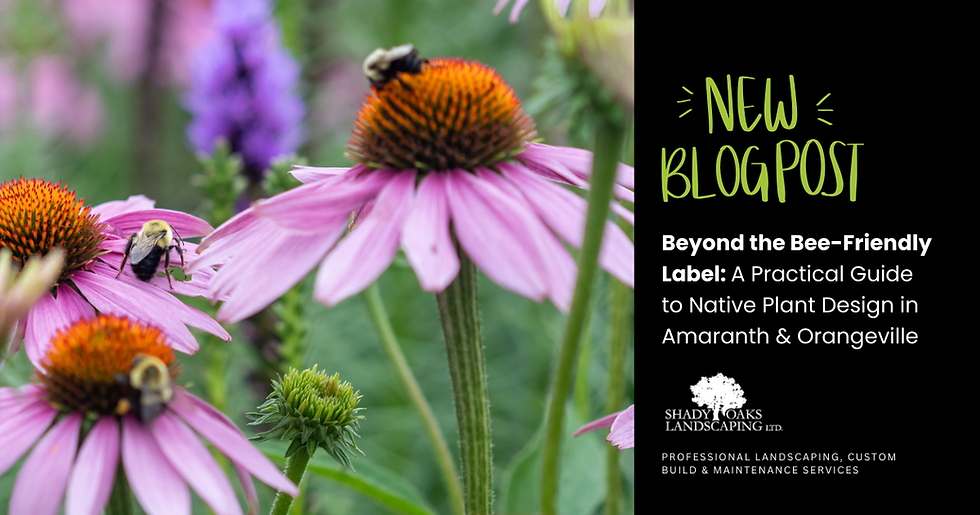
For Sun: Purple Coneflower (Echinacea purpurea), Black-Eyed Susan (Rudbeckia hirta), and Serviceberry (Amelanchier canadensis).
For Shade: Hostas, Wild Geranium (Geranium maculatum), and Foamflower (Tiarella cordifolia).
These plants are not only beautiful but are also workhorses, providing seasonal interest while requiring minimal fuss once established.
Frequently Asked Questions
1. Can I handle all of this myself, or should I hire a professional?
Many dedicated gardeners can manage these tasks successfully. However, the primary benefit of professional help is expertise and consistency. A pro can diagnose subtle issues before they become major problems, has access to professional-grade products, and understands the precise timing for our specific microclimate. It's often a question of time vs. results.
2. What are the biggest mistakes homeowners make in seasonal care?
The most common are "improper pruning" - either taking off too much at once or using the wrong technique - and "improper fertilization," particularly over-fertilizing or feeding at the wrong time of year. Both can stress the plant and make it more vulnerable to pests and disease.
3. Is it worth getting a soil test?
Absolutely. A soil test is the only way to know for sure what nutrients your soil is lacking and what its pH level is. It takes the guesswork out of fertilizing and is a small investment that pays huge dividends in plant health.
4. How does snow cover affect my plants?
Snow is actually a great insulator, protecting plant roots and crowns from harsh, drying winter winds and fluctuating temperatures. While our Snow Removal Services ensure your driveways and walkways are safe, we're always careful to avoid piling heavy snow on delicate shrubs and garden beds.
Your Partner in Creating a Lasting Landscape
A vibrant, healthy garden is a journey, not a destination. It's an ongoing process of observing, understanding, and responding to the needs of your landscape through every season. By applying the strategies in this guide - aligning your care with the plant's natural rhythm, mastering the '4Rs' of fertilization, and pruning with purpose - you are well on your way to creating the beautiful outdoor space you envision.
If you’re ready to implement this level of expert care but aren't sure where to start, we're here to help. The team at Shady Oaks Landscaping has been the trusted partner for homeowners across Amaranth, Orangeville, and the surrounding areas for over two decades.
Contact us today for a consultation, and let's create a customized landscape maintenance plan that ensures your garden thrives for years to come.

Comments